
Iran: Shots Fired! But...
US/IRAN talks still on - about what?

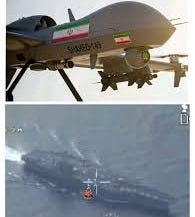
This week Tehran flew a Shahed-139 attack drone ‘close’ to the aircraft carrier USS Abraham Lincoln about 500 miles off the Iranian coast. The Pentagon says it “aggressively approached’ the carrier “despite de-escalatory measures taken by US forces operating in international waters”. In response an F-35C lighting II fighter jet blew it out of the sky.
The Iranians did not confirm the incident but on the same day its Tasnim News Agency reported that Iran had lost contact with a Revolutionary Guard drone which had been on a lawful “reconnaissance, surveillance and filming” mission. A few hours later two speedboats from the Guard’s naval forces, accompanied by another drone, threatened to board a US flagged tanker in international waters in the Strait of Hormuz. A USS destroyer intervened and escorted the tanker to safety.
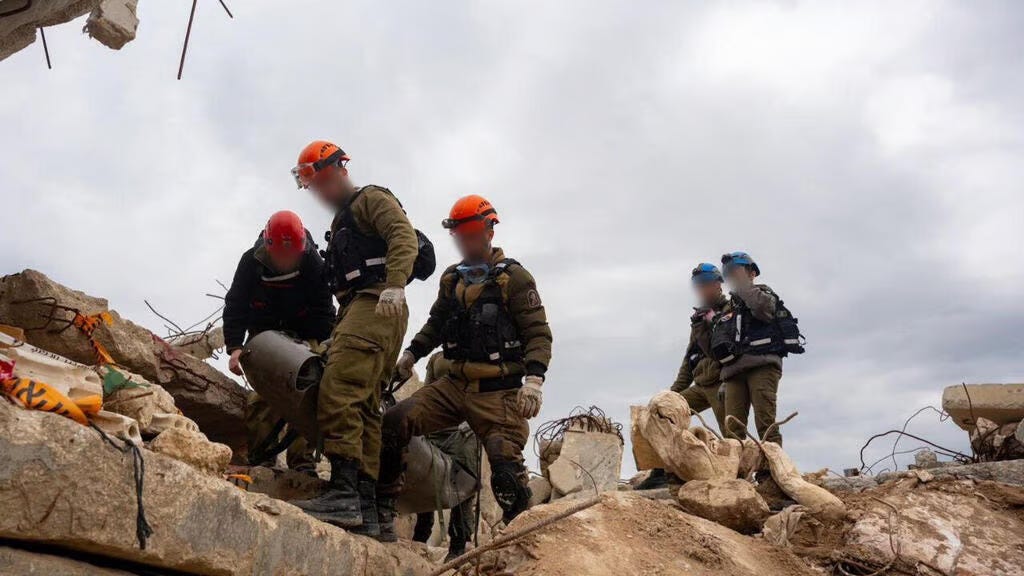
Also, this week - the Israeli military held a major exercise simulating the aftermath of a massive missile strike on an urban area. Troops practiced how to rescue wounded people from collapsed building.
While this took place the American negotiators Steve Witkoff and Jared Kushner spent more than three hours in talks with Israeli Prime Minister Benjamin Netanyahu in Jerusalem. The Americans also sent the week bolstering the serious fire power they have projected into the Gulf region to give them a range of options if they decide to attack Iran.
This is the volatile background to Friday’s discussions between the US and Iran in Oman. Even the venue is a part of that volatility. The talks were supposed to be in Istanbul and include several other countries including Saudi Arabia and the UAE. However, the Iranians wanted to switch location to ensure this was only an Iran/US affair. They also wanted Oman to host the event not just because it is regarded as a trusted interlocutor, but because Tehran can frame the talks as only a continuation of negotiations about its nuclear activity and nothing else.
The Americans aren’t buying it. As Secretary of State Marco Rubio said this week, for the talks to be meaningful “they will have to include certain things”. By this he means the range of Iran’s ballistic missiles, its support for groups such as Hezbollah and Hamas, and “the treatment of their own people”. Even to agree to discuss all these issues would be humiliating for Tehran.
The White House appears sceptical about the chance of the talks being successful and suspects the Iranians are just playing for time to try and either prepare for military action by the US, or for something to prevent it. The Trump administration has the cards, and it looks as if it is seeking to show it has tried diplomacy before it considers action. As the president said “We’re talking to Iran, and if we can work something out that’ll be great, and if we can’t, probably bad things would happen,” How long before they might happen is a Rumfeldesque known unknown.