
Hasta Pronto Cuba!
The heat rises, the pressure mounts.

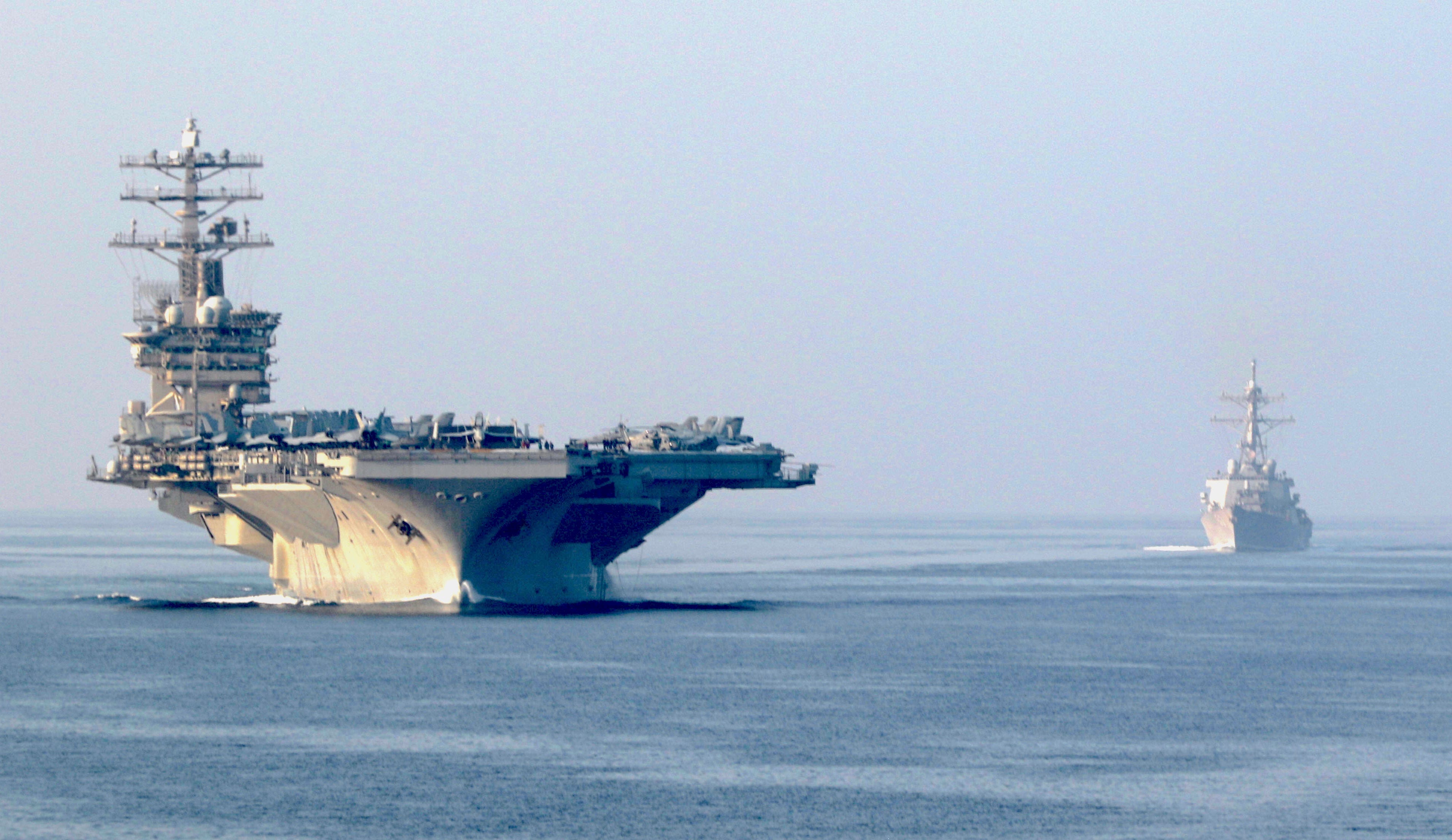
US Navy Photo of USS Nimitz.
An American aircraft carrier strike group has arrived. The US Marine Corps is readying. There’s an increase in reconnaissance missions, an oil embargo is in force, extra sanctions are being applied, and the head of the CIA is focussing on regime change.
Sounds familiar. But it’s not Venezuela, it’s not Iran, it’s Cuba.
A full-scale invasion is unlikely, but once the waters have calmed in the Strait of Hormuz President Trump’s ‘Eye of Sauron’ will turn towards the Caribbean island. Washington has attempted to change the regime in Havana ever since the revolution of 1959 which overthrew the Batista military dictatorship and replaced it with Fidel Castro’s communist dictatorship. That goal looks closer now than at any time in the last 6 decades.
No American government will accept a Cuba hostile to the United States due to the island’s location. It sits at the mouth of the Gulf of Mexico, home to US ports which handle over 40% of America’s waterborne imports and exports. Ninety miles to the north, across the Straits, is Florida. To the west, across the 130-mile-wide Yucatan Channel, is Mexico.
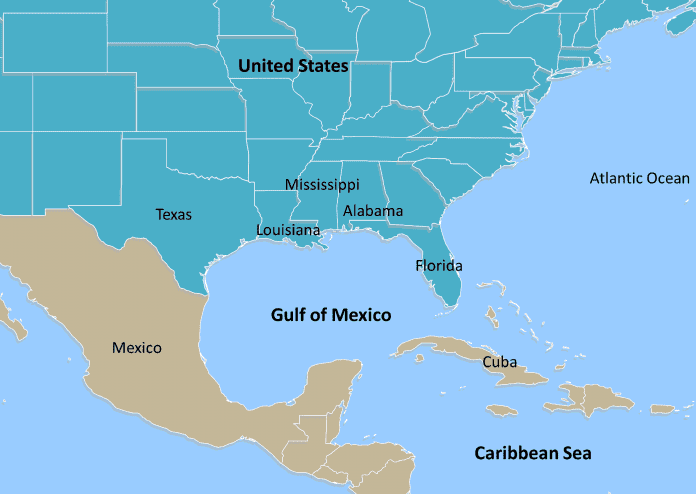
Blockading the Gulf would be far more difficult than the Iranian operation in the Strait of Hormuz, but every American government seeks to make it impossible. They also seek to ensure a hostile foreign government does not hold sway in Havana.
There’s a lot of history here dating to the declaration of the Monroe Doctrine in 1823 which warned European powers not to interfere in the Americas. In 1854 the US tried to buy Cuba from Spain but was rebuffed. It then supported Cuban rebellions before taking control of the island after the Spanish-American war of 1898. Following Cuban independence in 1902 the US withdrew troops but established control of Guantanamo Bay naval base, dominated the economy, and ensured the Soviets could not get a foothold close to Florida.
That strategy fell apart in 1959 leading to the disastrous CIA sponsored Bay of Pigs invasion by Cuban exiles in 1961, and the Cuban Missile Crisis the following year which took the world to the brink of a nuclear war. Plots to kill Castro with exploding or poisoned cigars came and went, sanctions failed to cow the regime, and Cuba continued to export anti American revolutionary Marxism throughout Latin America.
Now it’s in no position to export anything except refugees fleeing a bankrupt, corrupt, brutal and failed regime.
What may turn out to be the penultimate hammer blow to the government was the capture of the Venezuelan leader Nicolas Maduro in January. This led to ‘regime behaviour change’ in Caracas. Subsidized Venezuelan oil was all that kept the lights on in Cuba but since January the supply has dried up. Basic services have ground to a halt and there are daily power blackouts. Without refrigeration food will rot as the island heads into the blistering heat of a Cuban summer. People will become angry and desperate.
Enter the USS Nimitz. The carrier was supposed to be decommissioned this year, but that has been pushed to 2027. On the same day as it arrived in the region the Department of Justice indicted former Cuban President Raul Castro for allegedly ordering the shooting down of two civilian planes belonging to a Miami based Cuban aid group. Four people died including three Americans. The indictment potentially opens the way for a Maduro style operation
Following that the CIA director John Ratcliffe flew into Havana and delivered an ultimatum. Cuba must close the ‘listening posts’ China and Russia have established there, break security ties with the two powers, and open the political and economic system. By no coincidence he took with him the CIA officer who oversaw the Maduro capture.
Cuba’s leaders say they are not intimidated. Like their Iranian counterparts they have a lot to lose. Just as the IRGC controls major companies in Iran so the Cuban military has its sticky fingers all over Cuba’s economy. It dominates the Grupo de Administracion Empresarial a business founded by Raul Castro through which the military chiefs make money out of tourism, construction, shops, etc.
They hope to buy time. The longer the Iran crisis continues, the less focus on them. They’d like to get to the US midterm elections in November after which power will begin to drain from Trump. That’s true domestically, but on foreign policy he will still have the biggest say. Besides, the most urgent threat to the regime is not political or military – it’s economic and it becomes more acute with each passing day.
However, Trump has hinted that the military option is on the table, saying an aircraft carrier could “come in, stop about 100 yards offshore, and they’ll say: ‘Thank you very much. We give up.’”. Now where have we heard that before…
Adapted from a column first published in Geographical magazine.
What I’m watching: Legends. Netflix.
What I’m reading: Foreign Affairs Magazine.
Rotting fruit indeed...